Minnesota State Science & Engineering Fair
2026 Awards
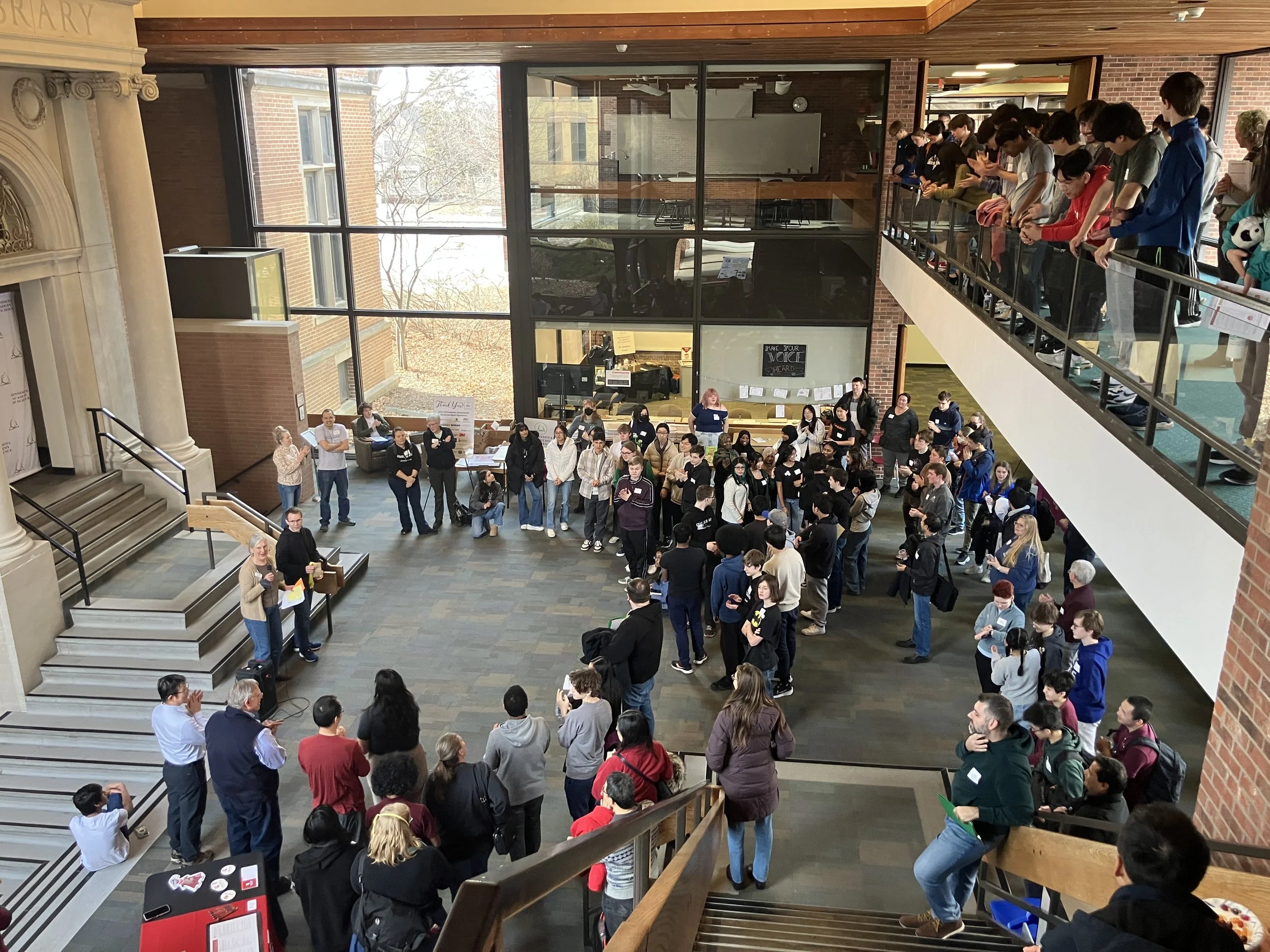
On behalf of our sponsors, board of directors, and staff, the Minnesota Academy of Science congratulates all student presenters for their excellent research and presentations in the 2026 state competition!
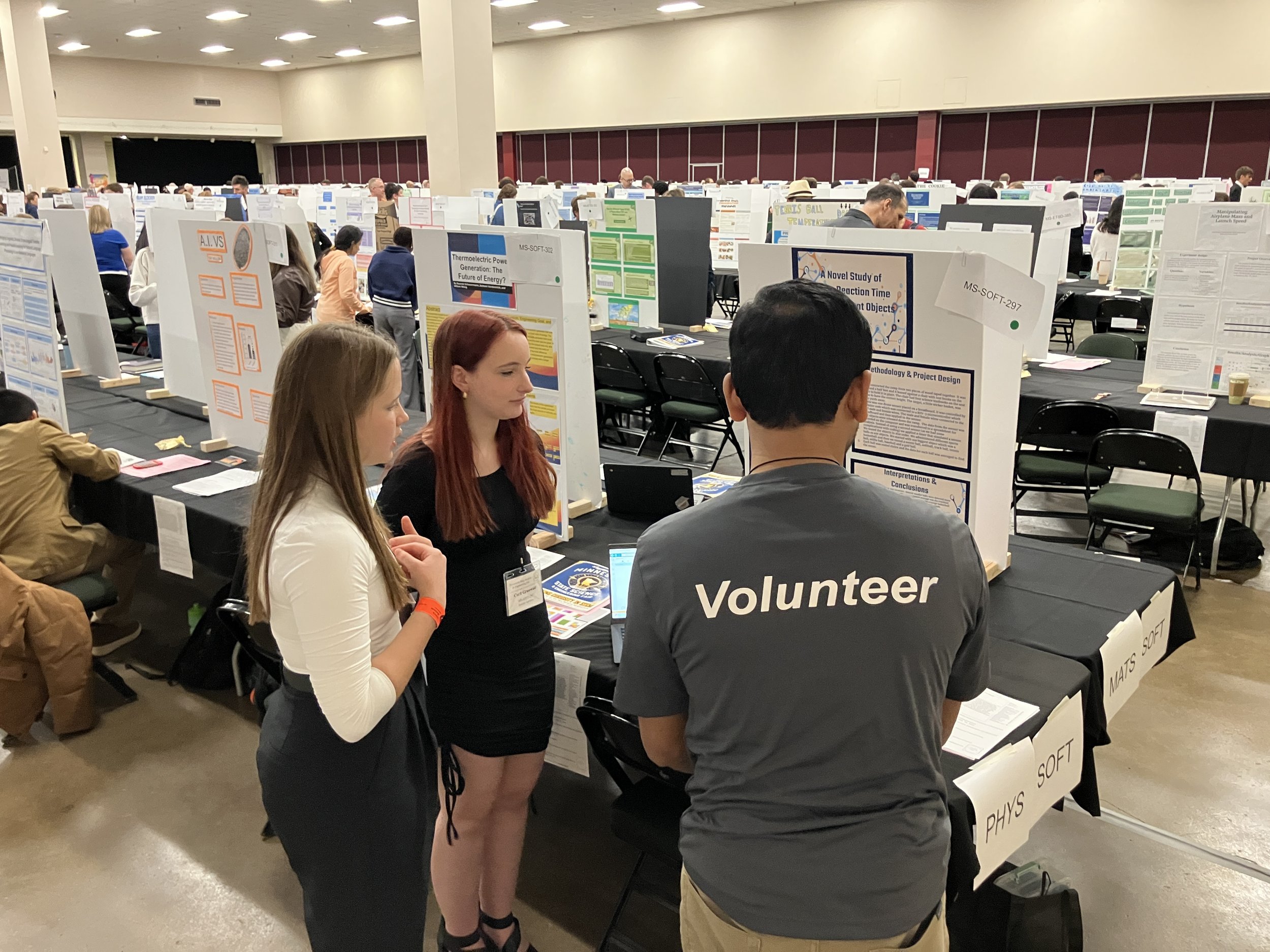
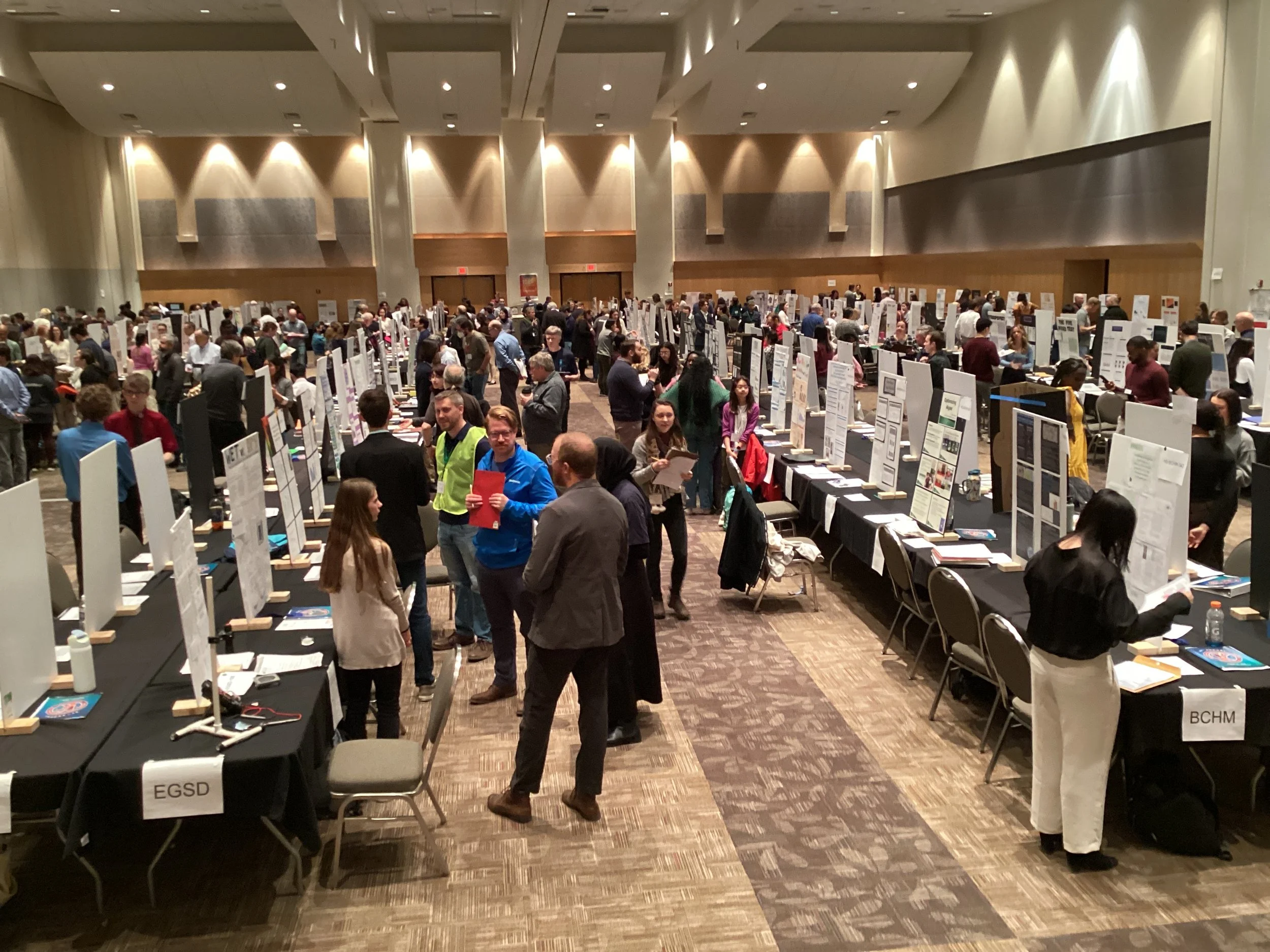
This year, over 400 students from across Minnesota were selected at Regional Science Fairs and competed at the Minnesota State Science & Engineering Fair. Over forty companies and organizations awarded more than $40,000 in cash prizes and other awards, gifts, and opportunities. Additionally, top projects advanced to the Regeneron International Science & Engineering Fair. See below for more information about each award and the 2026 award winners.
Scroll down to learn more about this year’s awards!

Minnesota Academy of Science Awards
Regeneron International Science and Engineering Fair (ISEF) Award
The Regeneron ISEF Award recognizes the fair’s top high school projects. The 2026 ISEF is scheduled to take place May 9-15 in Phoenix, Arizona. ISEF is the world’s largest international pre-college science competition. More than 1,700 high school students from 70+ countries and territories showcase their research at ISEF.
2026 Minnesota State Science and Engineering Fair ISEF Finalists

Maraike Fortin (Savage): HS-EBED-066, Dream Mornings - a sleep cycle adaptive alarm clock (raspberry pi based)
Aditi Gandhi (Edina): HS-EBED-620, Continuous Low-Cost Proxy Monitoring System for Chloramine Detection in Indoor Pool Air
John Liu (St. Paul): HS-ENEV-500, Passive Capillary-Evaporative Lithium Pre-Concentration from Dilute Brines Using Functionalized Corn Stalk Pith and Wheat Straw Scaffolds
Evan Morris (New Brighton): HS-CELL-610, SILENCE: On-demand seizure suppression via closed-loop sonogenetics
Vick Tan (Eden Prairie): HS-MATS-583, Colorimetric Arsenic Detection at Micromolar Concentrations and Machine Learning Assisted Development of a Composite Teabag for Arsenic Bioremediation in Drinking Water
2026 ISEF Alternates
Vedant Gupta (Maple Grove): HS-CBIO-493, Insulock-2E: A Computationally Designed Insulin Peptide Enhancing MHC-DQ8 Binding And Predicted to Disrupt Autoreactive T-Cells in Type 1 Diabetes
Anthony Dosev (Chanhassen): HS-EGSD-619, Development of cost-effective biochar supercapacitors for high-performance, sustainable energy storage
Jacob Lee (Minnetonka): HS-ENBM-533, A Novel Intraoperative Guidance and Real-Time Dosimetry for GammaTile Brachytherapy in Brain Tumor Surgery
Zack Berchenko (North Oaks): HS-SOFT-514, Recurrent Neural Networks on Directed Multigraphs
Riddhi Singhvi (Woodbury): HS-TMED-496, Bite Balance: A Novel Scoring System for Type 2 Diabetes Management Integrating Diet, Exercise, and the Gut Microbiome
Grand Awards
The Grand Awards recognize excellence in STEM research at the middle school and high school level. The top 5% of projects presented at SSEF receive the Gold Award. The next 10% of projects receive the Silver Award and the next 15% of projects receive the Bronze Award. Projects are ranked according to judge scores and the competitiveness of the category in which students present.
Gold Award
High School
Vick Tan (Eden Prairie): HS-MATS-583, Colorimetric Arsenic Detection at Micromolar Concentrations and Machine Learning Assisted Development of a Composite Teabag for Arsenic Bioremediation in Drinking Water
Bridger Weekley (Moorhead): HS-CELL-057, Utilizing Agroinifltration and Pistil Dripping to Investigate the IPT Gene's Role in Maintaining Osmotic Stress Resistance in Brassica rapa
Riddhi Singhvi (Woodbury): HS-TMED-496, Bite Balance: A Novel Scoring System for Type 2 Diabetes Management Integrating Diet, Exercise, and the Gut Microbiome
Rohan Kuruvila (Woodbury): HS-ROBO-562, How to detect and remove outliers in 3D point clouds using higher-order geometric cycles
Mattias Halloran (St. Paul): HS-MATS-508, Hemin-Activated Lipid Nanoparticles for Targeted Drug Delivery in Hemorrhagic Stroke
Alma Feldman-Chicoma & Cecilia Titan & Grace Pickering (Rochester): HS-BEHA-718, Predicting Small Business Survival after Economic Shock Using Economic and Operational Indicators
Nyel Uffa (Eden Prairie): HS-MATH-588, Revealing The Fragility Beneath: Engineering Dynamic Multi-Layer Financial Networks for Modeling Systemic Risk and Shock Propagation
John Liu (St. Paul): HS-ENEV-500, Passive Capillary-Evaporative Lithium Pre-Concentration from Dilute Brines Using Functionalized Corn Stalk Pith and Wheat Straw Scaffolds
Middle School
Evan Chen and Jayan Tollefson and Dash Hull (Rochester): MS-PLNT-749, How does Co2 effect algae growth
Lila Foster (Minnetonka): MS-MCRO-607, Using the Agar Disk Diffusion Method to Prevent Growth of Bacillus Subtilis with Plant Extracts
Isabella Garry (Eden Prairie): MS-ENEV-557, Microplastic Removal from Simulated Gastric Fluid Using Natural Mucilage Flocculants
Laura Hansen (Forest Lake): MS-BMED-630, Neural Signatures of Physical Activity: A Brain-Computer Study of Exercise-Driven Cognitive Performance and Reaction Time using EEG
Amir Kashani (Rochester): MS-ENBM-744, Heartbeat Detective: Using Sensors to Detect Irregular Heart Rhythms
Arika Kundu (Excelsior): MS-ENEV-511, LIGNEX - A Novel Biosorption-Based Approach that Uses Agricultural Waste Material to Eliminate Pesticide Residues from Fresh Produce
Autumn Lin (Plymouth): MS-PLNT-531, More Than Just Skin Health: How Do Chemical and Mineral Sunscreens Affect Photosynthesis in Freshwater Plants?
Morrison Randall (Cloquet): MS-CHEM-010, Blast opH! Antacid Rockets!
Mitra Suriyanarayanan (Lakeville): MS-BEHA-071, Understanding School Experiences of Students with Tourette Syndrome
Olivia Zhou (Eden Prairie): MS-ENEV-673, Make Ocean Clean Again – With the help of Ferrofluids and Sound Waves
Silver Award
High School
Lux Bodell (Minnetonka): HS-PHYS-538, Electrical charge recovery systems in solid-state linear accelerator-based proton-boron fusion reactors for enhanced efficiency and achieving breakeven
De-An Chen (North Oaks): HS-CBIO-582, Predicting Dementia Using a Novel Echocardiogram-Based Model
Milan Darji (Eden Prairie): HS-BCHM-578, Escaping the Matrix: Identifying ADAMTSL2 as the trigger for irreversible liver fibrosis through protein modeling
Jackie Fitzgibbons (Minnetonka): HS-MATS-490, Evaluation of copper and silver alloys’ antibiofilm activity and immune cell compatibility
Lucas Granucci (Shorewood): HS-SOFT-604, Science Across Languages: Modular Multi-Agent LLM Framework for Document-Level Scientific Translation in Low-Resource Languages
Anish Kommalapati (Plymouth): HS-CBIO-532, Predicting Motor Recovery Trajectories in Sequential Spinal Muscular Atrophy Therapy Using Biologically Constrained Machine Learning
Graysen Lee (Chaska): HS-BMED-495, Exosomes from the infarcted heart breach the blood-brain barrier to potentiate inflammatory demyelination
Helen Liu (Minneapolis): HS-ETSD-592, The Adjustable Body Chute (ABC): A novel training parachute that prevents tangling and lets swimmers adjust their resistance
Aidan Moeller (Lake Crystal): HS-BEHA-070, Natural and Synthetic Dyes
Emilio Moreno (Chanhassen): HS-CBIO-665, Generative Exploration for Aptamers using Policy Value Networks
Evan Morris (New Brighton): HS-CELL-610, SILENCE: On-demand seizure suppression via closed-loop sonogenetics
Adi Narayan (Minneapolis): HS-CELL-540, The Therapeutic Rescue of let-7 Function Using a Soaking Delivery of Precursor miRNA in Caenorhabditis elegans
Veda Rao and Milena Vandover (Hopkins& St. Louis Park): HS-CELL-572, A Tool to Treat: Evaluating the Effects of CD200AR-L on Immune Checkpoint Signaling in a GFP-Tagged, Triple Negative Breast Cancer Model
Rahul Vinoth (Corcoran): HS-ROBO-659, SCOUT-LC: Swarm Coordinated Odometry and Uncertainty-Aware Temporal Localization Correction for Encoder-Free Multi-Robot Indoor Exploration in Urban Search and Rescue Environments
Isabella Wang (St. Paul): HS-ANIM-626, When Climate Changes, Bees Do Too: Characterization of pollinator foraging behavior under heat stress using remote motion-activated imaging
Middle School
Amir Alkateb (Blaine): MS-EAEV-570, Making and Comparing Potato starch vs Banana Peel Bioplastic
Jonah Bradley (Hermantown): MS-EAEV-008, Friend of Foe: Macroinvertebrate colonization of native alder and exotic crack willow in Keene Creek
Sophia Brazell with Toryn Rabehl (Rochester): MS-CHEM-717, Electrolytes project
Leo Bramante (Minneapolis): MS-ETSD-571, Model Rocket Project: does the fin size effect the altitude?
Henrik Carlson (Grand Rapids): MS-PHYS-040, The Physics of Hockey Stick Flex
Henry Clark (St. Paul): MS-EAEV-584, What Can Be Done To Mitigate The Effect Of Lead Sinkers In The Common Loon Population?
Alia Eiler (Elk River): MS-PLNT-575, Flowers that are to dye for
Eric Goedeke (Andover): MS-PHYS-563, Battle of the Brands
Erik Hansen (Forest Lake): MS-ANIM-614, Dawn, Dusk, and Darkness: Diel Activity Patterns of White-Tailed Deer and Predators Across a Large Forested Landscape
Kaia Holger (Rochester): MS-ETSD-707, Bridge Wars
Louie Kakar (Rochester): MS-BMED-728, Mapping Low Vision in Minnesota: What Public Data Reveals About Visual Disability and Eye-Care Access
Maria Kenderian (Rochester): MS-BMED-765, Identification of Microplastics in Bottled Beverages
Rikhil Kondadadi (Lakeville): MS-BEHA-587, Can AI Chatbots Safely Guide Medical Decisions? Evaluating the Reliability of AI Health Advice for Complex Clinical Scenarios
Anchit Kumar (Plymouth): MS-EBED-487, Tri-Way Communication Between Deaf, Blind, and Non-Impaired People
Noe Loots and Emma Steinert (Minneapolis & Edina): MS-PLNT-658, Do plants care if microplastics are biodegradable or not?
Hunter Smith and Mason Dubovich (Elk River): MS-PHYS-512, A Wheel-y Big Deal
Malcolm Steffen (Prior Lake): MS-ETSD-065, Inner Strength: Studying Infill Patterns of 3D-Printed Beams
Patrick Zeilstra (Rochester): MS-EAEV-741, Wilderness Water: Testing the best way to purify water in the wild
Mia Zoghby (Rochester): MS-EAEV-752, Estimating how ChatGPT usage in schools affect water usage
Bronze Award
High School
Dia Chaney (St. Paul): HS-BMED-535, Dose response of C-type Lysozyme and Recombinant Growth Factor in Planarian Regeneration Assays
Samuel Daniels (Plymouth): HS-EAEV-504, Analysing an ArcGIS simulation of erosion on Lake Superior’s shoreline
Joseph David (Corcoran): HS-ENEV-567 Pharmablast: A Synthetic Data Generation for Pharmaceutical Based Microplastic Detection in Water Systems
Ethan Finch (Afton): HS-TECA-631, ArticuRace: Closing the Global Speech Therapy Gap through a Low-Resource and Interpretable AI Framework
Natalia Gercheva (St. Paul): HS-EAEV-605, Heart of the Matter: Examining the Impact of Reef-Safe and Conventional Sunscreens on the Heart Rate of Daphnia magna
Adam Jacobson (Grand Rapids): HS-ENBM-030, Cast Away the Problem Cast!
Stella Kelliher (Plymouth): HS-PHYS-640, Optimization of apodized pupil Lyot coronagraph design for ground-based exoplanet observations
Jacob Lee (Minnetonka): HS-ENBM-533, A Novel Intraoperative Guidance and Real-Time Dosimetry for GammaTile Brachytherapy in Brain Tumor Surgery
Colleen Mahr (Rochester): HS-BMED-761, Can a Convolutional Neural Network (CNN) Identify Morphological Features in Cutaneous Melanoma that Correlate with a Positive Family History of the Disease?
Mehreen Najeeb (Maple Grove): HS-CHEM-528, CARE: A novel enamel remineralization tooth tray for fluoridated water communities
Sahil Neelimandhu (Plymouth): HS-BEHA-671, Where Living, Working, and Belonging Come Together: An Empirical Study of Factors Correlated With Successful Vertical Mixed Use Development in the Twin Cities Metropolitan Area
Shubham Panchal (Corcoran): HS-ROBO-652, Task-Aware Model-Agnostic Meta-Learning for Few-Shot Robotic Manipulation
Reva Patel (Rochester): HS-PHYS-723, Optimizing Navigator-Guided Motion Correction to Enhance Early MRI Detection of Prostate Cancer through Controlled Phantom Analysis
Paris Peng (Minneapolis): HS-CBIO-491, Love is Blind, but Proteins Aren't: Do AlphaFold 3-Predicted Monomer Alterations from Mutations Propagate into Capsid Assembly Defects?
Selena Qiao and Maria Rohlfsen HS-PLNT-577 Turf Trouble: Determining the toxic mechanism of N, N-diethyl meta-toluamide (DEET) in turfgrass (Year III)
Adhrith Rao and Aarnav Kodthivada (Medina & Corcoran): HS-BMED-793, Alternative Splicing Signatures as Prognostic Biomarkers in Glioblastoma Multiforme
Nora Seifert and James Welsh (St. Paul): HS-PHYS-525, Project LEO: Low Earth Orbit Space Debris Tracking and Removal
Aditi Sriram (Rochester): HS-ENBM-688, SonoVascAR: A Vascular Access Aid: Automated Real Time Ultrasound Vessel Detection with Augmented Reality 3D Projection
Kenrick Trinh (Golden Valley): HS-BCHM-623, Creating a biogas and extracting bio-flocculant from wastewater in order to create a self-sustainable and energy efficient method for purification
Birdie Walsh (Minnetonka): HS-CELL-590, Investigation of Pigmentation-Dependent Transcriptional Responses to IL-1α and KGF in Melanocytes: Implications for Post-inflammatory Hyperpigmentation
Michael White (Minnetonka): HS-ENBM-543, CNN-RNN Hybrid Model for Elbow Flexion Exoskeletons
Aizada Yernar (Savage): HS-CELL-549, Optogenetic Control of MyoD Signaling to Direct Satellite Cell Fate in Muscle Regeneration
Joy Zhou (Maple Grove): HS-BMED-551, The Uneven Distribution of Socioeconomic Stress as a Possible Driver of Racial Smoking Disparities: An NHANES Analysis
Middle School
Karmyn Augustine (Newfolden): MS-MATS-034, "Can you hear me now?"
Colton Dykstra (Champlin): MS-MATS-522, Comparing Capacity
Declan Edminster (Grand Rapids): MS-PHYS-042, Launch Angle Increase Effect
Sophia Edman (Elk River): MS-CHEM-585, Ice melt
Charlie Flynn (Rochester): MS-PLNT-770, The Effect of Light Color on Plant Growth
Caitlin Fox (Elk River): MS-PLNT-497, How does applied fertilizer concentration affect invasive compared to Minnesota native plant growth?
Kate Gao (St. Paul): MS-ETSD-622, Wipe it off - A Solution to Enable L5 Self-Driving
Alex Gochenaur and Elnur Yernar (Savage): MS-EBED-082, Artifact and Fossil Scanner
Julian Greene (St. Paul): MS-SOFT-544, How Training Data Affects Facial Recognition Accuracy
Cora Hill (Rochester): MS-PLNT-702, How does applied fertilizer concentration affect invasive compared to Minnesota native plant growth?
Rhea Hittin (Woodbury): MS-ENEV-612, StyroLoop: A decentralized approach to Styrofoam reintegration into the circular economy.
Matthew Hoffner (Deephaven): MS-BEHA-785, AI on Your Feed: Can We Still Tell What’s Real
Mariah Jones (Elk River): MS-PLNT-546, The Tiny Problem: The Impact of Microplastics on Plants
Rikita Joshi (Minneapolis): MS-ROBO-596, Enhancing the lives of visually impaired individuals with an electronic fruit sorter that sorts good and rotten fruits
Phillip Kohl and Everett Sparling (Minneapolis & Edina): MS-PLNT-669, How does adding supplements of glucose to a plant's water affect its growth?
Alek Kokotovich (Savage): MS-ROBO-080, Developing Low-Cost Household Aids for Visually Impaired Users
Kelsey Loftus and Pacey Trueger (Wayzata & Edina): MS-PLNT-674, Which is better: hydroponic or soil?
Sumana Mangipudi (Plymouth): MS-BMED-678, Fuel or Fallout? Testing The Biological Impact of Energy Drink Additives
Fatoumata Marong (Elk River): MS-EGSD-558, Harness the Wind: How Wind Turbine Designs Impact Electricity Generation
Mia Miller (Mendota Heights): MS-BMED-574, What is the Effect of Smoking Liquid Versus Cigarette Smoke Residue on Your Lungs?
Jack Mousel (Jacobson): MS-PLNT-038, Drinking in the Details: Measuring Transpiration Rate in Tomato Seedlings
Benedict Peichel (Andover): MS-PLNT-668, Compost Competition
Cruz Rosstedt and Henry Miller (Elk River): MS-PHYS-489, The Great Decent
Alex Samba (Edina): MS-ENEV-643, MOF's and Algae: Building a Machine to Capture Carbon in the Air
Tatem Stiller (Zimmerman): MS-ETSD-666, How do different wing profiles affect the distance a plane takes off
Andrew Vetscher (St. Paul): MS-BEHA-589, Does Listening to Music While Working Help Your Focus and Efficiency?
Ryan Warmka (Burnsville): MS-BCHM-494, Tame the Flame! Comparing Household Methods for Reducing Hot Sauce Heat
Josie Woodcock and Mia Casper (Rochester): MS-MATS-693, From Hive to Halfpipe: Testing Natural Beeswax vs. Synthetic Wax on Snowboards
Andrew Young (Rochester): MS-EGSD-690, Can You Make a Solar Powered Chromebook?
Minnesota Academy of Science Board of Directors Award
The Minnesota Academy of Science Board of Directors Award is given to 10+ students showing exceptional promise at the 2026 State Science and Engineering Fair. The prize is $50 and a certificate.
Caden Adams (Bloomington): MS-PLNT-632, Green Vs. Gray: Plants In A Polluted World
Kensley Alfaro (Cloquet): MS-BMED-011, Gasping for Air: Wildfire Smokes Effect on Health and Activity Levels
Ameya Bhaskar (Maple Grove): HS-CBIO-541, Teaching Machines to See Pain: Deep Learning Approaches to Histopathological Scoring of Intervertebral Disc Degeneration
Ella Capistran (Crookston): MS-EBED-050, Watts With My Dough?
Hadley Dans and Bella Marshall (Crookston & Fisher): MS-MATS-790, Hair Care
Alia Eiler (Elk River): MS-PLNT-575, Flowers that are to dye for
Eric Goedeke (Andover): MS-PHYS-563, Battle of the Brands
Rohan Kuruvila (Woodbury): HS-ROBO-562, How to detect and remove outliers in 3D point clouds using higher-order geometric cycles
Emmett Loth (St. Paul): MS-PLNT-644, Does the amount of natural bacteria in soil affect how an herbicide impacts the growth of lettuce?
Winnie Niu (Rochester): HS-CBIO-681, Designing a 3D Convolutional Neural Network for MRI-based Multiple Sclerosis Severity Classification with Machine Learning Explainability
Ruby Truong (Rochester): HS-CBIO-798, Analyzing Glycemic Variability in Diabetes Research: A Predictive Machine-Learning Model for Hemoglobin A1c
Ryan Warmka (Burnsville): MS-BCHM-494, Tame the Flame! Comparing Household Methods for Reducing Hot Sauce Heat
Olivia Vang (Blaine): HS-BMED-672, Examining Factors Associated with Left Atrial Appendage Leakage Following Occlusion and Exclusion Device Implantation

Medtronic Awards
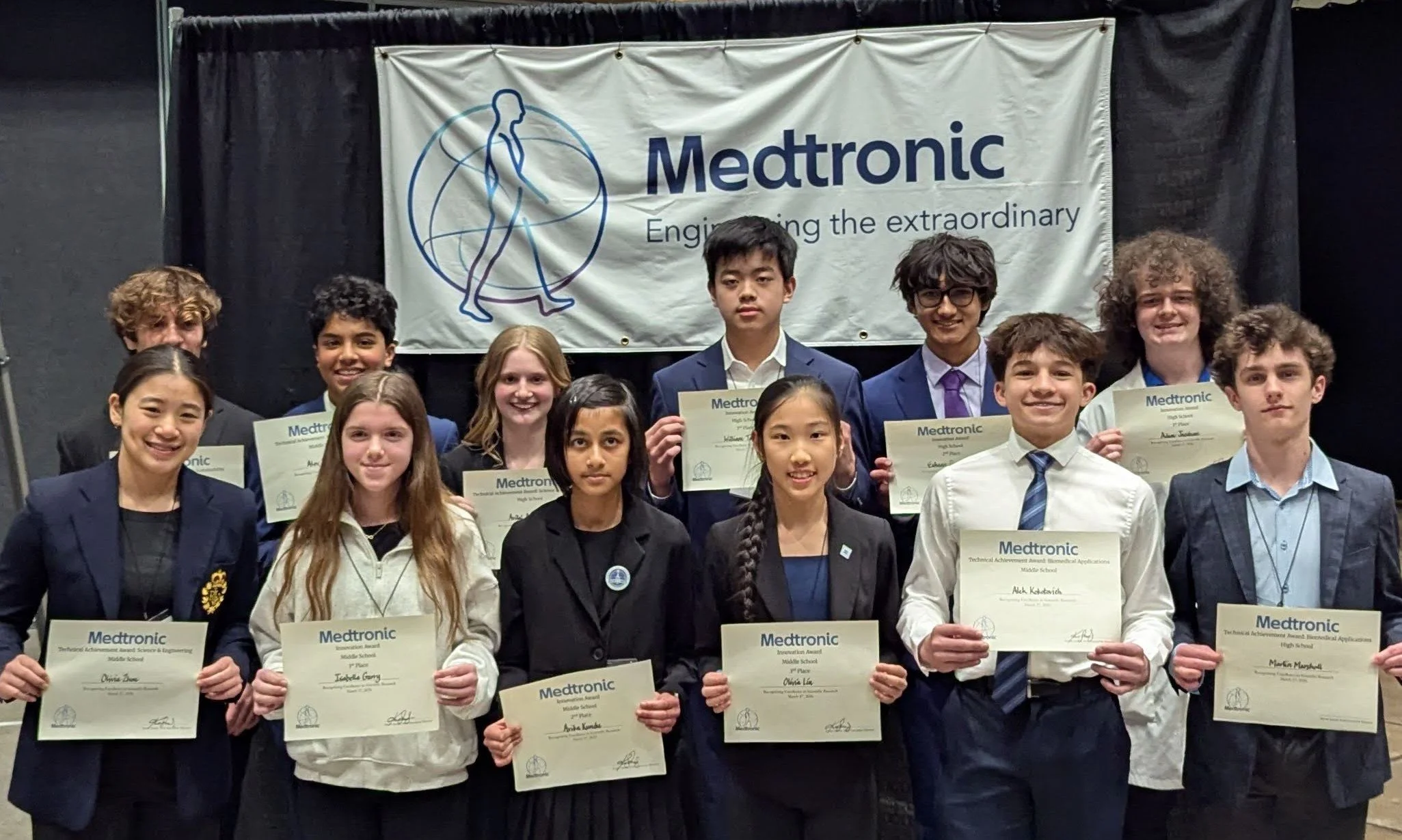
The Minnesota Academy of Science is grateful to Medtronic, the Premier Sponsor of the 2026 Minnesota State Science and Engineering Fair.
All award winners receive an exclusive invitation to the Medtronic Tech Fellows Day.
Medtronic Innovation Award
The Medtronic Innovation Award recognizes students whose projects exemplify excellence through innovative outside-the-box ideas, self-motivated independent work, passion for discovery and science, and the potential to impact their category or the world.
High School - 1st Place ($750)
Adam Jacobson (Grand Rapids): HS-ENBM-030, Cast Away the Problem Cast!
High School - 2nd Place ($500)
Eshaan Parnerkar (Plymouth): HS-CELL-568, Evaluating the impact of mutant ATXN1 microglia on phagocytic function and disease symptoms in Spinocerebellar Ataxia Type 1
High School - 3rd Place ($250)
William Tan (Eden Prairie): HS-ENEV-593, Building the First AI-Enabled Smart Artificial Reef (AISAR)
Middle School - 1st Place ($750)
Isabella Garry (Eden Prairie): MS-ENEV-557, Microplastic Removal from Simulated Gastric Fluid Using Natural Mucilage Flocculants
Middle School - 2nd Place ($500)
Arika Kundu (Excelsior): MS-ENEV-511, LIGNEX - A Novel Biosorption-Based Approach that Uses Agricultural Waste Material to Eliminate Pesticide Residues from Fresh Produce
MIddle School - 3rd Place ($250)
Olivia Lin (Minnetonka): MS-ENEV-576, Making Water Soft-Is Soft Water Clean?
Medtronic Technical Achievement Award
The Medtronic Technical Achievement Award recognizes students whose projects demonstrate excellence through imagination and inventiveness, tackling a challenging technical question, rigorous scientific inquiry and execution, and the potential to solve a technical problem.
Medtronic Technical Achievement Award: Biomedical Applications
High School Winner ($500)
Martin Marshall and Yuchen Shi (Bloomington & Golden Valley): HS-CELL-565, Mind Mail: Optimizing cell-specific, brain-derived exosome isolation to enable minimally invasive detection of neuroinflammation
Middle School Winner ($500)
Alek Kokotovich (Savage): MS-ROBO-080, Developing Low-Cost Household Aids for Visually Impaired Users
Medtronic Technical Achievement Award: Science & Engineering
High School Winner ($500)
Avital Coleman (St. Paul): HS-CELL-633, Restoring Movement After Spinal Cord Injury: Optogenetic Dissection of Genetically Identified Spinal Glutamatergic Neurons in Larval Zebrafish
Middle School Winner ($500)
Olivia Zhou (Eden Prairie): MS-ENEV-673, Make Ocean Clean Again – With the help of Ferrofluids and Sound Waves
Medtronic Technical Achievement Award: Sustainability
High School Winner ($500)
Anthony Dosev (Chanhassen): HS-EGSD-619, Development of cost-effective biochar supercapacitors for high-performance, sustainable energy storage
Middle School Winner ($500)
Alex Samba (Edina): MS-ENEV-643, MOF's and Algae: Building a Machine to Capture Carbon in the Air
SPECIAL SPONSORED AWARDS
In alphabetical order

3M
3M science applied to life award
This award acknowledges students whose projects make a lasting, positive impact on their local or global community through innovation, creativity, and scientific exploration.
High School - 1st Place ($500)
Maraike Fortin (Savage): HS-EBED-066, Dream Mornings - a sleep cycle adaptive alarm clock (raspberry pi based)
High School - 2nd Place ($300)
Joseph David (Corcoran): HS-ENEV-567, Pharmablast: A Synthetic Data Generation for Pharmaceutical Based Microplastic Detection in Water Systems
High School - 3rd Place ($200)
Nathanim Tekle (Minneapolis): HS-MCRO-649, Effects of Ferric Citrate Concentration on the Growth of E.coli K-12 and Bacillus subtilis: Implications for Anemia
Middle School - 1st Place ($500)
Rhea Hittin (Woodbury): MS-ENEV-612, StyroLoop: A decentralized approach to Styrofoam reintegration into the circular economy
Middle School - 2nd Place ($300)
Anchit Kumarv (Plymouth): MS-EBED-487, Tri-Way Communication Between Deaf, Blind, and Non-Impaired People
MIddle School - 3rd Place ($200)
Albert Fay (Thief River Falls): MS-ENEV-035, Adaptive Fishing Pole
3M young inventor recognition
This award recognizes students who demonstrate unique resourcefulness in their approach to innovation, finding ways to do more with less, discovering new solutions to difficult problems.
High School Winners ($100)
Sloane Dunn (Eagan): HS-BMED-550, Vaccine Hesitancy Impact on Measles Outbreaks
Ethan Finch (Afton): HS-TECA-631, ArticuRace: Closing the Global Speech Therapy Gap through a Low-Resource and Interpretable AI Framework
Aditi Gandhi (Edina): HS-EBED-620, Continuous Low-Cost Proxy Monitoring System for Chloramine Detection in Indoor Pool Air
Mattias Halloran (St. Paul): HS-MATS-508, Hemin-Activated Lipid Nanoparticles for Targeted Drug Delivery in Hemorrhagic Stroke
Annika Kim (St. Paul): HS-TECA-503, Applying Analog Printing Effects to Digital Video
Jacob Lee (Minnetonka): HS-ENBM-533, A Novel Intraoperative Guidance and Real-Time Dosimetry for GammaTile Brachytherapy in Brain Tumor Surgery
Helen Liu (Minneapolis): HS-ETSD-592, The Adjustable Body Chute (ABC): A novel training parachute that prevents tangling and lets swimmers adjust their resistance
Evan Morris (New Brighton): HS-CELL-610, SILENCE: On-demand seizure suppression via closed-loop sonogenetics
Carter Olson (Prior Lake): HS-ENBM-064, CogniFlex
Meghana Parvath (Lakeville): HS-BEHA-085, Mental Health Challenges of Immigrant Mothers
Satva Patel and Mukil Iniyan Senthil Kumar (Carver & Victoria): HS-SOFT-087, Beyond Accuracy: A Cost-Aware CNN That Eliminates Catastrophic Wildfire Misclassification
Reva Patel (Rochester): HS-PHYS-723, Optimizing Navigator-Guided Motion Correction to Enhance Early MRI Detection of Prostate Cancer through Controlled Phantom Analysis
Shagun Shrivastava (Eden Prairie): HS-EBED-635, A.W.A.R.E.-Development of an AI-Based Real-Time Wearable Auditory Recognition and Emergency Detection System for Deaf and Hard-of-Hearing Individuals using Acoustic Analysis
Xinlai Tan (Plymouth): HS-EGSD-781, Optimal Design of Spread Foundations for Wind Turbines
Bridger Weekley (Moorhead): HS-CELL-057, Utilizing Agroinifltration and Pistil Dripping to Investigate the IPT Gene's Role in Maintaining Osmotic Stress Resistance in Brassica rapa
Huxley Westemeier (Minneapolis): HS-SOFT-534, INTRINSIC: Parameter-Free Private Keystroke Classification with Normalized Relative Compression
Middle School Winners ($100)
Abdulrahman Ali (St. Paul): MS-ENEV-547, Is a steamer or a UV box a better homemade alternative to industrial cleaning products?
Dominik Fortin (Savage): MS-EBED-067, Ghostwalker - A scent masking device for hunters
Kora Fuhrer (Thief River Falls): MS-EAEV-033, The Knot Wars
Isabella Garry (Eden Prairie): MS-ENEV-557, Microplastic Removal from Simulated Gastric Fluid Using Natural Mucilage Flocculants
Raqad Hasan and Maryama Musa (Minneapolis & Minnetonka): MS-EAEV-611, How Temperature Differences Can Expand Geothermal Energy Beyond Volcanic Regions
Sophia Iordanoglou and Kinaari Shah (Plymouth & Minneapolis): MS-MATS-663, How do different glues affect the life of a pointe shoe?
Corinne James (St. Paul): MS-PLNT-628, Hydroponics: The Way of the Future
Maria Kenderian (Rochester): MS-BMED-765, Identification of Microplastics in Bottled Beverages
Fatoumata Marong (Elk River): MS-EGSD-558, Harness the Wind: How Wind Turbine Designs Impact Electricity Generation
Asher Mays (St. Paul): MS-MATS-634, How does cheap vs expensive frisbees affect flight time and distance
James Postma (Blaine): MS-PHYS-527, Stick With It: The Effect of Friction on Adhesion
Yazhini Siva Arumugam (Rochester): MS-CBIO-772, Predicting Vaccine Effectiveness Using BLAST
Malcolm Steffen (Prior Lake): MS-ETSD-065, Inner Strength: Studying Infill Patterns of 3D-Printed Beams
Keyu Wang (Golden Valley): MS-BMED-787, Is boiled tap water more sanitary and healthy to drink than tap?
Patrick Zeilstra (Rochester): MS-EAEV-741, Wilderness Water: Testing the best way to purify water in the wild
American Chemical Society (ACS), Minnesota Section
Outstanding Experimental Project in CHemistry
This award recognizes an outstanding high school chemistry/biochemistry project. Honorable mentions will receive a one-year subscription to ChemMatters, the ACS publication for high school students.
High School Outstanding Project ($150)
Ella England (St. Paul): HS-CHEM-778, Applications of Different Growing Conditions on Fungi P. chrysosporium and Their Effects on Plastic Mass and Polycarbonate Treatment for BPA
High School Honorable Mentions (subscription to ChemMatters)
Mehreen Najeeb (Maple Grove): HS-CHEM-528, CARE: A novel enamel remineralization tooth tray for fluoridated water communities
Elizabeth Mader (Marine): HS-CHEM-542, Influence of pH and Dietary Ligands on Calcium Ion Availability in Simulated Gastric Media as Measured by Ion Specific Electrode
Ethan Lavan (Cloquet): HS-ENEV-015, Investigating the rate of hydrogen sulfide removal by Manganese GreensandPlus® for use in large-scale wastewater treatment
Middle School Outstanding Project ($100)
Morrison Randall (Cloquet): MS-CHEM-010, Blast opH! Antacid Rockets!
Middle School Honorable Mentions (subscription to ChemMatters)
Sophia Brazell with Toryn Rabehl (Rochester): MS-CHEM-717, Electrolytes project
Claire Dockendorf with Charlotte Noseworthy (Rochester): MS-CHEM-757, Testing Biofuel Ingredient ratios
American Fisheries Society, Minnesota Chapter
Aquatic Sciences achievement Award
This award recognizes projects focusing on aquatic science. Winners receive a book and a fishing pole, and two winners receive ice fishing bibs.
High School
Samuel Daniels (Plymouth): HS-EAEV-504, Analyzing an ArcGIS simulation of erosion on Lake Superior’s shoreline
Natalia Gercheva (St. Paul): HS-EAEV-605, Heart of the Matter: Examining the Impact of Reef-Safe and Conventional Sunscreens on the Heart Rate of Daphnia magna
Olivia Liu (St. Louis Park): HS-ENEV-597, Coral Alarm: A Simple, Affordable System for Detecting Coral Bleaching Early (Year III)
Amelia Lucke (St. Paul): HS-EAEV-486, A Silent Contaminant Beneath Our Feet: Multivariate Analysis of Geogenic Arsenic Pathways into Private Drinking Water Wells Across St. Louis, Lake, and Cook Counties
William Tan (Eden Prairie): HS-ENEV-593, Building the First AI-Enabled Smart Artificial Reef (AISAR)
Zoe Zhang (Rochester): HS-CBIO-715, Developing Machine Learning Software for Image-Based Color Biomarkers of Aging in African Turquoise Killifish (N. furzeri, GRZ Strain)
Middle School
Autumn Lin (Plymouth): MS-PLNT-531, More Than Just Skin Health: How Do Chemical and Mineral Sunscreens Affect Photosynthesis in Freshwater Plants?
Henry Clark (St. Paul): MS-EAEV-584, What Can Be Done To Mitigate The Effect Of Lead Sinkers In The Common Loon Population?
Jonah Bradley (Hermantown): MS-EAEV-008, Friend of Foe: Macroinvertebrate colonization of native alder and exotic crack willow in Keene Creek
Alex Samba (Edina): MS-ENEV-643, MOF's and Algae: Building a Machine to Capture Carbon in the Air
Olivia Zhou (Eden Prairie): MS-ENEV-673, Make Ocean Clean Again – With the help of Ferrofluids and Sound Waves
Sumana Mangipudi (Plymouth): MS-BMED-678, Fuel or Fallout? Testing The Biological Impact of Energy Drink Additives

American Heart Association
American heart association community impact award
This award is given to a student whose project demonstrates community impact and equity in the pursuit of optimal health for all.
High School
Meghana Parvath (Lakeville): HS-BEHA-085, Mental Health Challenges of Immigrant Mothers
Middle School
Louie Kakar (Rochester): MS-BMED-728, Mapping Low Vision in Minnesota: What Public Data Reveals About Visual Disability and Eye-Care Access

American Institute of Professional Geologists
AIPG Earth & Environmental Sciences Award
This award is given to thoughtful and creative projects using concepts about earth and environmental sciences. Winners receive $175 each, a book about Minnesota geology, and a fossil or rock specimen as the prize.
Amelia Lucke (St. Paul): HS-EAEV-486, A Silent Contaminant Beneath Our Feet: Multivariate Analysis of Geogenic Arsenic Pathways into Private Drinking Water Wells Across St. Louis, Lake, and Cook Counties
Patrick Zeilstra (Rochester): MS-EAEV-741, Wilderness Water: Testing the best way to purify water in the wild
Mia Zoghby (Rochester): MS-EAEV-752, Estimating how ChatGPT usage in schools affect water usage

American Psychological Association
Achievement in Research in Psychological Science
This award recognizes outstanding research in psychological science under the category of behavioral and social sciences or any category related to psychology (e.g., animal sciences, biomedical and health sciences, translational medical science). The winner will receive a certificate and student membership.
Enin Kopischke (Frazee): HS-BEHA-060, Activity Participation and the Effects on Mental Health

American Society of Plumbing Engineers
MN ASPE Mechanical Engineering Award
This award is given to students at the high school level whose projects display the best use of mechanical engineering.
First Place ($350)
Aditi Gandhi (Edina): HS-EBED-620, Continuous Low-Cost Proxy Monitoring System for Chloramine Detection in Indoor Pool Air
Second Place ($150)
Olivia Lin (Minnetonka): MS-ENEV-576, Making Water Soft-Is Soft Water Clean?

Association for Women Geoscientists
Student Award for Geoscience Excellence
This award is given to a student who identifies as a girl/woman (including cis-gender, transgender, gender fluid, and non-binary persons) whose project exemplifies high standards of innovation and scientific excellence in the geosciences. Special consideration is given to projects that increase the public awareness of the geosciences, illustrate the interdisciplinary nature of the geosciences, and/or promote the sensitivity to the Earth as a global system. The prize is a certificate and honorary membership.
Amelia Lucke (St. Paul): HS-EAEV-486, A Silent Contaminant Beneath Our Feet: Multivariate Analysis of Geogenic Arsenic Pathways into Private Drinking Water Wells Across St. Louis, Lake, and Cook Counties

Beckman Coulter
A global leader in advanced diagnostics, Beckman Coulter has challenged convention to elevate the diagnostic laboratory’s role in improving patient health for more than 80 years. Our mission is to Relentlessly Reimagine Healthcare, One Diagnosis at a Time – and we do this by applying the power of science, technology and the passion and creativity of our teams. We are honored to recognize students at the Minnesota State Science and Engineering Fair for their excellence in STEM fields. The Beckman Coulter scientists and engineers who volunteered as judges were impressed by the skill, knowledge and creativity of all of the award winners.
Beckman Coulter Awards FOR EXCELLENCE IN biology
High School ($1,000)
Milan Darji (Eden Prairie): HS-BCHM-578, Escaping the Matrix: Identifying ADAMTSL2 as the trigger for irreversible liver fibrosis through protein modeling
Graysen Lee (Chaska): HS-BMED-495, Exosomes from the infarcted heart breach the blood-brain barrier to potentiate inflammatory demyelination
Middle School ($500)
Laura Hansen (Forest Lake): MS-BMED-630, Neural Signatures of Physical Activity: A Brain-Computer Study of Exercise-Driven Cognitive Performance and Reaction Time using EEG
Kimaya Shah (Minneapolis): MS-MCRO-521, Natural Antiseptics vs. Commercial Antimicrobial Agents
Beckman Coulter Awards FOR EXCELLENCE IN ENGINEERING
High School ($1,000)
Anthony Dosev (Chanhassen): HS-EGSD-619, Development of cost-effective biochar supercapacitors for high-performance, sustainable energy storage
Maraike Fortin (Savage): HS-EBED-066, Dream Mornings - a sleep cycle adaptive alarm clock (raspberry pi based)
Middle School ($500)
Julian Greene (St. Paul): MS-SOFT-544, How Training Data Affects Facial Recognition Accuracy
Ansh Mohapatra (Mankato): MS-ENBM-081, Gamified Live Visual CPR Coach to Improve CCF

All students at the science fair, as well as the winner of this prize, are encouraged to showcase their coding projects at Coolest Projects Global. Find out how.
Broadcom Foundation
Broadcom Coding with Commitment Award
This award recognizes a middle school student whose project shows a remarkable passion to improve a problem or concern in their community and who has made the link with creating a solution or the start to a solution with coding/computation in their project. The award includes a $250 gift card and a Raspberry Pi Foundation Official Raspberry Pi Pico Kit.
Albert Fay (Thief River Falls): MS-ENEV-035, Adaptive Fishing Pole
Christian Aurup
Dr. Lise Aurup Memorial Award
This award is presented in honor of the late Dr. Lise Aurup to an outstanding high school project in medical science. The prize is $100.
Emma Zucchi and Sara Ali (Minneapolis): HS-CELL-601, Restoring Rhythm: Investigating the Effects of Inhibiting CD40-TRAF6 Signaling Pathway on Fibroblast and Macrophage Populations in a Mouse Model of Pressure Overload–Induced Heart Failure
Citadel
Citadel Securities Innovation Prize
This award recognizes a project which exemplifies the ideals of innovative thinking combined with thorough statistical analysis and problem solving.
High School ($100)
Riddhi Singhvi (Woodbury): HS-TMED-496, Bite Balance: A Novel Scoring System for Type 2 Diabetes Management Integrating Diet, Exercise, and the Gut Microbiome
Middle School ($100)
Isabella Garry (Eden Prairie): MS-ENEV-557, Microplastic Removal from Simulated Gastric Fluid Using Natural Mucilage Flocculants

DiaSorin, Inc.
DiaSorin, MERIT Award
Diasorin Merit Award is for a middle school project which demonstrates exemplary experimental design using accessible, everyday methodologies, demonstrating rigorous application of the scientific method. There are five $500 prizes.
Abdulrahman Ali (St. Paul): MS-ENEV-547, Is a steamer or a UV box a better homemade alternative to industrial cleaning products?
Amir Alkateb (Blaine): MS-EAEV-570, Making and Comparing Potato starch vs Banana Peel Bioplastic
Nam Do (Lakeville): MS-CBIO-566, Transcriptional Cell-Adhesion States Drive Context-Specific FAK (PTK2) Dependency in Cancer
Erik Hansen (Forest Lake): MS-ANIM-614, Dawn, Dusk, and Darkness: Diel Activity Patterns of White-Tailed Deer and Predators Across a Large Forested Landscape
Amir Kashani (Rochester): MS-ENBM-744, Heartbeat Detective: Using Sensors to Detect Irregular Heart Rhythms

Ecolab
A trusted partner at nearly three million customer locations, Ecolab is the global leader in water, hygiene and infection prevention solutions and services. With annual sales of $12 billion and more than 44,000 associates, Ecolab delivers comprehensive solutions, data-driven insights and personalized service to advance food safety, maintain clean and safe environments, optimize water and energy use, and improve operational efficiencies and sustainability for customers in the food, healthcare, hospitality and industrial markets in more than 170 countries around the world.
Ecolab water vision award
Award winning projects are clearly presented, using excellent scientific data gathering and presentations practices, showcasing innovative ideas around the topics of water access, clean water, or water conservation.
High School ($700)
Kenrick Trinh (Golden Valley): HS-BCHM-623, Creating a biogas and extracting bio-flocculant from wastewater in order to create a self-sustainable and energy efficient method for purification
Middle School ($700)
Chen Liang and Wilson Wang (Rochester): MS-EGSD-289, Solar Desalination Reverse Osmosis
ecolab Food Safety Award
Award winning projects are clearly presented, using excellent scientific data gathering and presentations practices, showcasing innovative ideas around food safety—preserving the quality of food to prevent contamination and foodborne illness.
High School ($700)
Shivam Srivastava (Plymouth): HS-MCRO-615, From Tradition to Treatment: Rediscovering Turmeric as a Natural Antibiotic for E. coli K-12 (Year II)
Middle School ($700)
Kavya Bhandari (Rochester): MS-BCHM-734, Best Method for Washing Fruits
Emerson
STEM Excellence Award
This award is given to one high school student and one middle school student. Winning projects are clearly presented, exemplify excellence in their category, and demonstrate a high degree of difficulty, complexity, creativity, and innovation using outstanding scientific data-gathering and presentation practices.
High School ($500)
Maraike Fortin (Savage): HS-EBED-066, Dream Mornings - a sleep cycle adaptive alarm clock (raspberry pi based)
Middle School ($500)
Olivia Zhou (Eden Prairie): MS-ENEV-673, Make Ocean Clean Again – With the help of Ferrofluids and Sound Waves

Empowering Women in Science
Rosalind E. Franklin Perseverance in STEM Award
The Rosalind E. Franklin Perseverance in STEM Award recognizes woman-identifying or gender minority-identifying students who have demonstrated creativity, dedication, and perseverance in completing an exemplary research project. Winners receive $100 and a science journal.
High School
Hannia De la Rosa (Ada): HS-MCRO-051, Microorganisms in Different pH Conditions
Middle School
Emily Alzamora (Rochester): MS-PLNT-745, Can Compost Supercharge Electricity from a Pothos Plant Microbial Fuel Cell

Hamline University Department of Physics
Excellence in Renewable Energy and Sustainability Award
This award recognizes high school students whose projects excel in utilizing renewable energy and driving sustainability initiatives. The prize is a certificate and a $100 scholarship toward a Hamline Physics Summer Camp (Young Physicist Camp or Microscope Adventure Camp).
Sabrina Abdi (Rosemount): HS-EGSD-545, Evaluating the Effectiveness of Solar Still, Filtration and SODIS on Water Quality
Jibril Mohamed and Ayub Ahmed and Humza Shaikh (Columbia Heights & St. Paul & Blaine): HS-ENEV-788, Hybrid Bio-Photovoltaic Solar Panel System: The Future of Green Energy

Institute of Food Technologists (IFT) - MN Section
2026 Special Award In Food Science
This award recognizes an outstanding food science-related research project. Learn more about careers in food science.
High School - 1st Place ($500)
Shivam Srivastava (Plymouth): HS-MCRO-615, From Tradition to Treatment: Rediscovering Turmeric as a Natural Antibiotic for E. coli K-12 (Year II)
High School - 2nd Place ($250)
Rachel Lou (Rochester): HS-BMED-774, Effect of the Fermentation of Tea on the Antioxidant Abilities of Tea
Middle School - 1st Place ($500)
Ryan Warmka (Burnsville): MS-BCHM-494, Tame the Flame! Comparing Household Methods for Reducing Hot Sauce Heat
Middle School - 2nd Place ($250)
Norah Boylan (Chanhassen): MS-BCHM-618, The Great Bread Race
Kailey Soller
Woman in Science - Impact Award
This award is presented to a student who is expected to make an impact in the scientific world as demonstrated by their creative project idea, strong presentation skills, or unique way that they demonstrated the potential for their project to transfer into a product. The prize is a Women in Science book award and a $50 gift card.
Sophia Edman (Elk River): MS-CHEM-585, Ice melt
Corinne James (St. Paul): MS-PLNT-628, Hydroponics: The Way of the Future

Land O’ Lakes
Land O’Lakes Award for Food Innovation
For projects that demonstrate creativity, innovation, and excellence in the study of food science. The prize is $500.
High School Winners
Rachel Lou (Rochester): HS-BMED-774, Effect of the Fermentation of Tea on the Antioxidant Abilities of Tea
Kendra Swanson (Maple Grove): HS-MCRO-591, The Effect of Red 40 on Bakers Yeast
Middle School Winners
Lila Foster (Minnetonka): MS-MCRO-607, Using the Agar Disk Diffusion Method to Prevent Growth of Bacillus Subtilis with Plant Extracts
Arika Kundu (Excelsior): MS-ENEV-511, LIGNEX - A Novel Biosorption-Based Approach that Uses Agricultural Waste Material to Eliminate Pesticide Residues from Fresh Produce

Lemelson Foundation
Lemelson Early Inventor Prize
The Lemelson Early Inventor Prize highlights a young inventor at the middle school level whose project exemplifies the ideals of inventive thinking by identifying a challenge in their community and creating a solution that will improve the lives of others. The prize is $100 and a certificate.
Rikita Joshi (Minneapolis): MS-ROBO-596, Enhancing the lives of visually impaired individuals with an electronic fruit sorter that sorts good and rotten fruits

Minnesota Environmental Health Association
Award for Excellence in Environmental Health Science
These awards recognize the best projects investigating environmental factors impacting public health.
High School - 1st Place ($200)
Megan Eisenmann (Shorewood): HS-ENEV-625, Computational design of low-cost air filtration for mitigating dust pollution in the Sahel
High School - 2nd Place ($100)
Amelia Lucke (St. Paul): HS-EAEV-486, A Silent Contaminant Beneath Our Feet: Multivariate Analysis of Geogenic Arsenic Pathways into Private Drinking Water Wells Across St. Louis, Lake, and Cook Counties
High School - 3rd Place ($50)
Aditi Gandhi (Edina): HS-EBED-620, Continuous Low-Cost Proxy Monitoring System for Chloramine Detection in Indoor Pool Air
Middle School - 1st Place ($100)
Arika Kundu (Excelsior): MS-ENEV-511, LIGNEX - A Novel Biosorption-Based Approach that Uses Agricultural Waste Material to Eliminate Pesticide Residues from Fresh Produce
Middle School - 2nd Place ($50)
Lila Foster (Minnetonka): MS-MCRO-607, Using the Agar Disk Diffusion Method to Prevent Growth of Bacillus Subtilis with Plant Extracts
Muminah Nihaar Mohammed
The Ripple Effect Award
This award recognizes a middle-school project whose impact extends beyond the laboratory or prototype, creating ripples of change in communities, education, or society. It celebrates work that demonstrates how science and engineering can influence lives, spark awareness, or encourage others to adopt innovative solutions, turning small ideas into widespread positive transformation.
Esther Rude and Aspen Vogel (Grand Rapids): MS-MATS-046, Pottery Glazes
The Trailblazer Award
Presented to a high-school student or team whose project breaks new ground in science or engineering. This award honors those who explore uncharted territories, challenge conventional thinking, and pioneer approaches that inspire others to push boundaries. It recognizes bold creativity, fearless experimentation, and the courage to tackle questions no one has dared to ask.
Maraike Fortin (Savage): HS-EBED-066, Dream Mornings - a sleep cycle adaptive alarm clock (raspberry pi based)
National Aeronautics and Space Administration (NASA)
Earth Systems Science Award
The winning high school project incorporates studies including different spheres of the Earth system, their interactions, and change over time. The award is a certificate and Invitation to a Webinar with a NASA Scientist.
Jeremiah Bents (Cloquet): HS-ENEV-022, A Mars Mission: Testing Filtering Effectiveness of Mars Soil Simulants When Removing Ammonia From Water

National Oceanographic and Atmospheric Administration (NOAA)
Taking the Pulse of the Planet Award
This award recognizes a high school project with research that demonstrates the principles and technical innovations that offer the greatest understanding of the earth's dynamic processes. The award is a certificate and lapel pin.
Anish Peri (Eden Prairie): HS-ENEV-637, From Smoke to Source: Inverse Atmospheric Dispersion Modeling for Wildfire Localization with Gas Sensor Networks.

Regeneron
Regeneron Biomedical Science Award
This award recognizes an exceptional high school student scientist who not only demonstrates an impressive command of biomedical science and research but also embodies Regeneron’s core values and behaviors, known as The Regeneron Way. The winner receives $375 and a certificate.
Graysen Lee (Chaska): HS-BMED-495, Exosomes from the infarcted heart breach the blood-brain barrier to potentiate inflammatory demyelination

Ricoh
Sustainable Development Award
The winning project shows outstanding effort in addressing issues of environmental responsibility and sustainable development. The winner receives a certificate.
Jibril Mohamed and Ayub Ahmed and Humza Shaikh (Columbia Heights & St. Paul & Blaine): HS-ENEV-788, Hybrid Bio-Photovoltaic Solar Panel System: The Future of Green Energy
Robocyclers
Outstanding Experimental Design Award
This award recognizes a project at the middle school level with with a detailed plan for collecting and using data.. The winner will receive $100 and a certificate.
Yazhini Siva Arumugam (Rochester): MS-CBIO-772, Predicting Vaccine Effectiveness Using BLAST

Society for In Vitro Biology (SIVB)
Outstanding Achievement for Ability and Creativity in In Vitro Biology
This award recognizes the most outstanding 11th grade student exhibiting in the areas of plant or animal in vitro biology or tissue culture. The award is a certificate and membership in SIVB.
Rohan Sharma (Plymouth): HS-BMED-539, Influence of Interfering Variables on Blood Sugar accuracy in Diabetes Care: A controlled in vitro study
The Thinking Spot
The Thinking Spot Science Award
This award recognizes an outstanding middle school science project demonstrating curiosity and creative scientific inquiry.
1st Place ($50 Thinking Spot bookstore gift card)
Rikita Joshi (Minneapolis): MS-ROBO-596, Enhancing the lives of visually impaired individuals with an electronic fruit sorter that sorts good and rotten fruits
2nd Place ($30 Thinking Spot bookstore gift card)
Anchit Kumar (Plymouth): MS-EBED-487, Tri-Way Communication Between Deaf, Blind, and Non-Impaired People
3rd Place ($20 Thinking Spot bookstore gift card)
Cora Hill (Rochester): MS-PLNT-702, How does applied fertilizer concentration affect invasive compared to Minnesota native plant growth?

Society for Science & Thermo Fisher Scientific
Thermo Fisher Scientific Junior Innovators Challenge
The top 10% of middle school projects receive certificates and an invitation to apply to the National Thermo Fisher Scientific Junior Innovators Challenge.
Jonah Bradley (Hermantown): MS-EAEV-008, Friend of Foe: Macroinvertebrate colonization of native alder and exotic crack willow in Keene Creek
Sophia Brazell and Toryn Rabehl (Rochester): MS-CHEM-717, Electrolytes project
Henrik Carlson (Grand Rapids): MS-PHYS-040, The Physics of Hockey Stick Flex
Evan Chen and Jayan Tollefson and Dash Hull (Rochester): MS-PLNT-749, How does Co2 effect algae growth
Henry Clark (St. Paul): MS-EAEV-584, What Can Be Done To Mitigate The Effect Of Lead Sinkers In The Common Loon Population?
Lila Foster (Minnetonka): MS-MCRO-607, Using the Agar Disk Diffusion Method to Prevent Growth of Bacillus Subtilis with Plant Extracts
Isabella Garry (Eden Prairie): MS-ENEV-557, Microplastic Removal from Simulated Gastric Fluid Using Natural Mucilage Flocculants
Erik Hansen (Forest Lake): MS-ANIM-614, Dawn, Dusk, and Darkness: Diel Activity Patterns of White-Tailed Deer and Predators Across a Large Forested Landscape
Laura Hansen (Forest Lake): MS-BMED-630, Neural Signatures of Physical Activity: A Brain-Computer Study of Exercise-Driven Cognitive Performance and Reaction Time using EEG
Amir Kashani (Rochester): MS-ENBM-744, Heartbeat Detective: Using Sensors to Detect Irregular Heart Rhythms
Maria Kenderian (Rochester): MS-BMED-765, Identification of Microplastics in Bottled Beverages
Rikhil Kondadadi (Lakeville): MS-BEHA-587, Can AI Chatbots Safely Guide Medical Decisions? Evaluating the Reliability of AI Health Advice for Complex Clinical Scenarios
Arika Kundu (Excelsior): MS-ENEV-511, LIGNEX - A Novel Biosorption-Based Approach that Uses Agricultural Waste Material to Eliminate Pesticide Residues from Fresh Produce
Autumn Lin (Plymouth): MS-PLNT-531, More Than Just Skin Health: How Do Chemical and Mineral Sunscreens Affect Photosynthesis in Freshwater Plants?
Morrison Randall (Cloquet): MS-CHEM-010, Blast opH! Antacid Rockets!
Malcolm Steffen (Prior Lake): MS-ETSD-065, Inner Strength: Studying Infill Patterns of 3D-Printed Beams
Mitra Suriyanarayanan (Lakeville): MS-BEHA-071, Understanding School Experiences of Students with Tourette Syndrome
Patrick Zeilstra (Rochester): MS-EAEV-741, Wilderness Water: Testing the best way to purify water in the wild
Olivia Zhou (Eden Prairie): MS-ENEV-673, Make Ocean Clean Again – With the help of Ferrofluids and Sound Waves
Thompson Family
The Amazing Science Award of Awesomeness
This award recognizes students with outstanding scientific potential The winners receive $50 and a certificate.
Abigail Kear (Rochester): MS-BEHA-767, Does eating a positive family meal affect your sleep?
Joseph Ehlers (St. Paul): MS-PHYS-603, How The Weight of a Bowling Ball Affects Its Speed
Abigail Boehlert (Nowthen): MS-CHEM-680, Cupcake Creations: How Baking Powder Impacts Height
Isabella Wang (St. Paul): HS-ANIM-626, When Climate Changes, Bees Do Too: Characterization of pollinator foraging behavior under heat stress using remote motion-activated imaging

Twin Cities Meteorological Society
Twin Cities Meteorological Society award
For Ability and Creativity in an Atmospheric Science or Related Exhibit
Anish Peri (Eden Prairie): HS-ENEV-637, From Smoke to Source: Inverse Atmospheric Dispersion Modeling for Wildfire Localization with Gas Sensor Networks

U.S. Air Force
Air Force Achievement Award
This award goes to outstanding high school projects that focus on science and technology, preferably with Air Force applicability.
Anthony Dosev (Chanhassen): HS-EGSD-619, Development of cost-effective biochar supercapacitors for high-performance, sustainable energy storage
Corbin Klande (Brook Park): HS-BMED-026, Seeing Differently - How Fast the Brain Adapts to Altered Vision—and For How Long
EvaSimone Zorn (Chanhassen): HS-CHEM-670, Optimized CO2 Reduction : experimental validation and computational modeling of a Cu-catalyzed cell.
U.S. Metric Association
Best Use of the International System of Units
This award recognizes a project that involves a significant amount of quantitative measurement and which best uses the SI metric system for those measurements. The award is a certificate and membership to the U.S. Metric Association.
Seung-Yoon Lee (Rochester): HS-ANIM-710, Microplastics Induce Epigenetic Dysregulation and Immune Activation Leading to Reduced Longevity and Cognitive Decline in Drosophila melanogaster

U.S. Navy
Naval Science Award
The award is a medal and a certificate.
High School
Vladimir Ditta (Blaine): HS-ENEV-642, Design and Experimental Evaluation of a Rapidly Deployable Portable Rainwater Harvesting System
Maraike Fortin (Savage): HS-EBED-066, Dream Mornings - a sleep cycle adaptive alarm clock (raspberry pi based)
Helen Liu (Minneapolis): HS-ETSD-592, The Adjustable Body Chute (ABC): A novel training parachute that prevents tangling and lets swimmers adjust their resistance
Rahul Vinoth (Corcoran): HS-ROBO-659, SCOUT-LC: Swarm Coordinated Odometry and Uncertainty-Aware Temporal Localization Correction for Encoder-Free Multi-Robot Indoor Exploration in Urban Search and Rescue Environments
Middle School
Charlie Flynn (Rochester): MS-PLNT-770, The Effect of Light Color on Plant Growth
Erik Hansen (Forest Lake): MS-ANIM-614, Dawn, Dusk, and Darkness: Diel Activity Patterns of White-Tailed Deer and Predators Across a Large Forested Landscape
Addison Hiipakka (Grand Rapids): MS-EAEV-041, What desalinization Method Filters works best?
Patrick Zeilstra (Rochester): MS-EAEV-741, Wilderness Water: Testing the best way to purify water in the wild

Water Environment Federation
Stockholm Junior Water Prize
This award recognizes outstanding water-related projects at the high school level (must be at least 15 years old by August 1st, 2026). The prize is a certificate and entry into state competition. High school students with a water related project are welcome to apply. The winning national U.S student will have the opportunity to have an all-expenses paid trip covered to compete at the international level in Sweden! Research papers are due April 15th, 2026.
University of Minnesota - Department of Bioproducts and Biosystems Engineering
Sustainable Solutions Award
This award is for outstanding innovation, critical thinking, and scientific understanding in addressing environmental and sustainability challenges. Awarded at the high school level.
Bioproducts & Biosystems Engineering - 1st Place ($100)
Muntaz Mohamed and Amran Ali and Riyan Mohamed (Woodbury): HS-EAEV-526, Investigating the Biodegradation of Starch-Based Bioplastics in Various Environmental Conditions.
Bioproducts & Biosystems Engineering - 2nd Place ($50)
Gretta Munson and Cora Johannes (Lake Crystal): HS-EAEV-069, Removing Phosphate from Water Affected by Algae
Sustainable Systems Management - 1st Place ($100)
Kyla McCabe (Chatfield): HS-CHEM-768, Consumer Awareness of Per- and Polyfluoroalkyl Substances
Sustainable Systems Management - 2nd Place ($50)
Sabrina Abdi (Rosemount): HS-EGSD-545, Evaluating the Effectiveness of Solar Still, Filtration and SODIS on Water Quality

Yale Science & Engineering Association, Inc.
Most Outstanding Exhibit in Computer Science, Engineering, Physics, or Chemistry
This award recognizes the most outstanding 11th-grade project exhibiting in the areas of science, technology, engineering, and mathematics. The winner receives a certificate.
Avital Coleman (St. Paul): HS-CELL-633, Restoring Movement After Spinal Cord Injury: Optogenetic Dissection of Genetically Identified Spinal Glutamatergic Neurons in Larval Zebrafish
While we value, respect, and thank each of our sponsors, the views and policies of our Science Fair awards sponsors do not necessarily reflect the views of the Minnesota Academy of Science, our Board, or our Staff.